
SEN Visuals
Practical, personalised visual tools that help neurodivergent children understand their day, feel calmer, and gain confidence.
Contact NeuroKind London for your very own personalised visuals
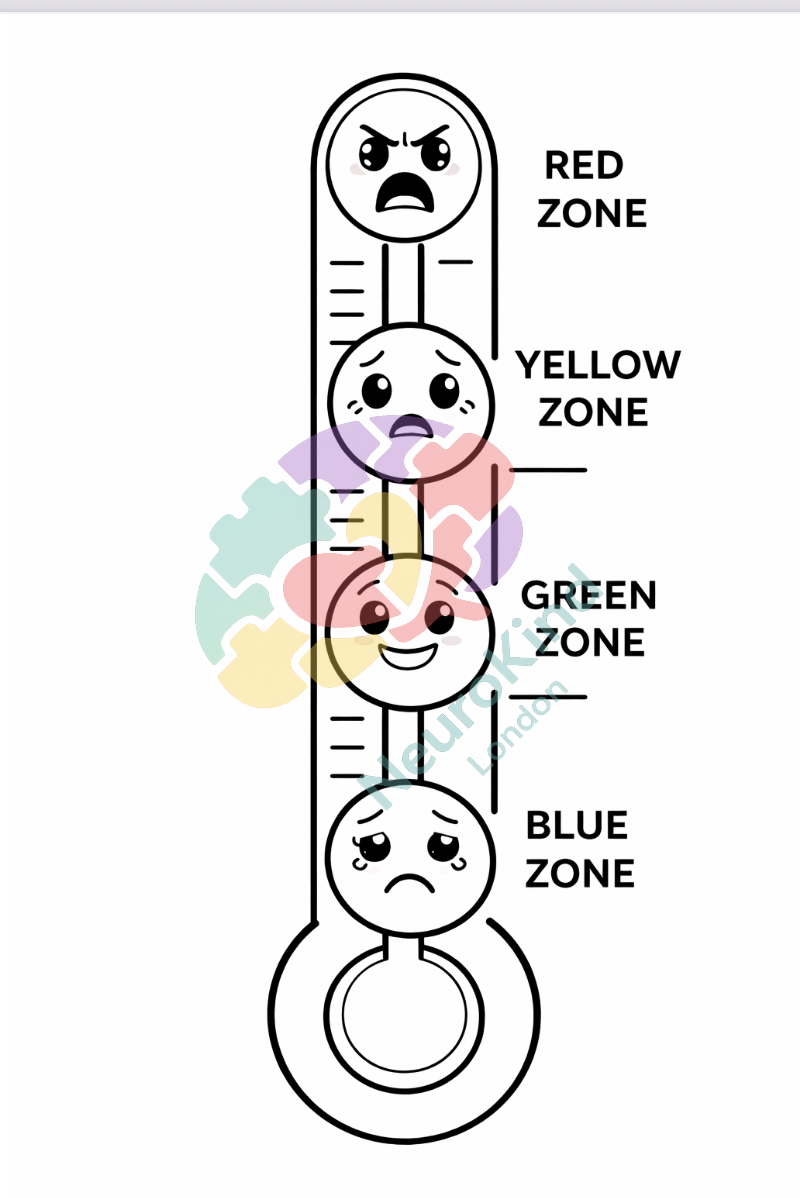
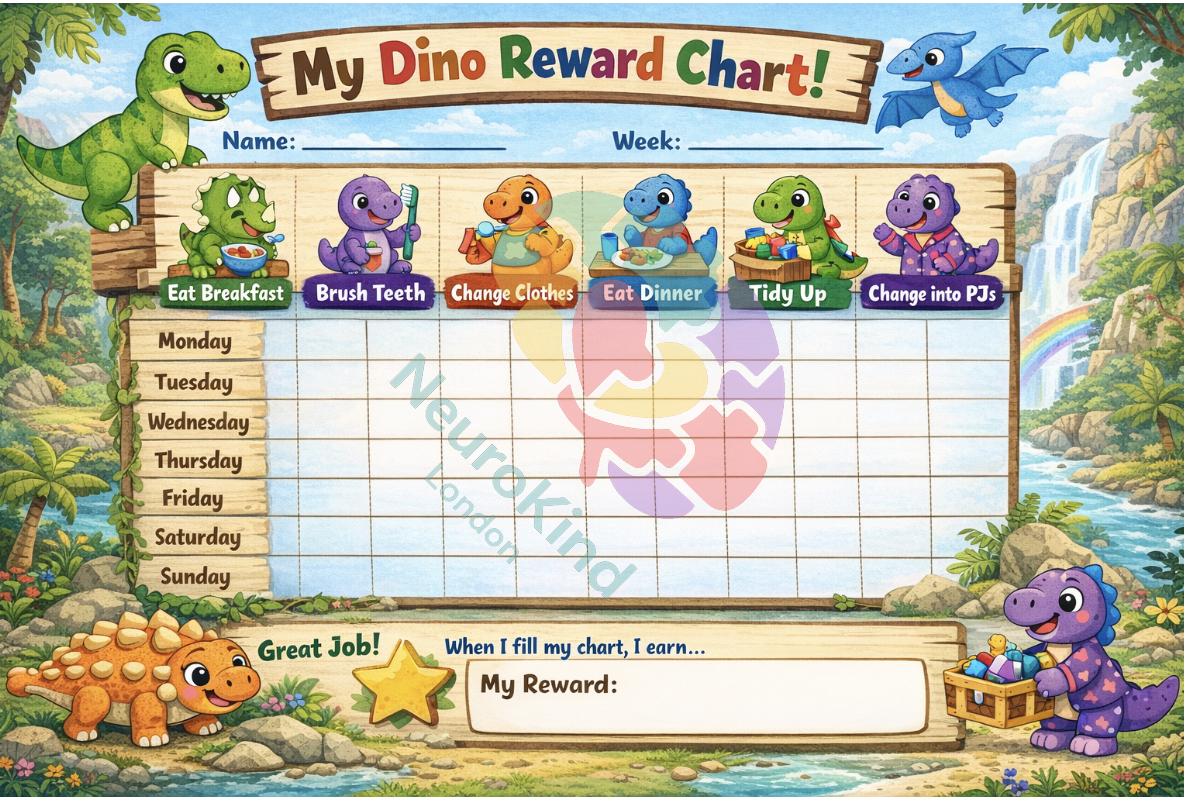
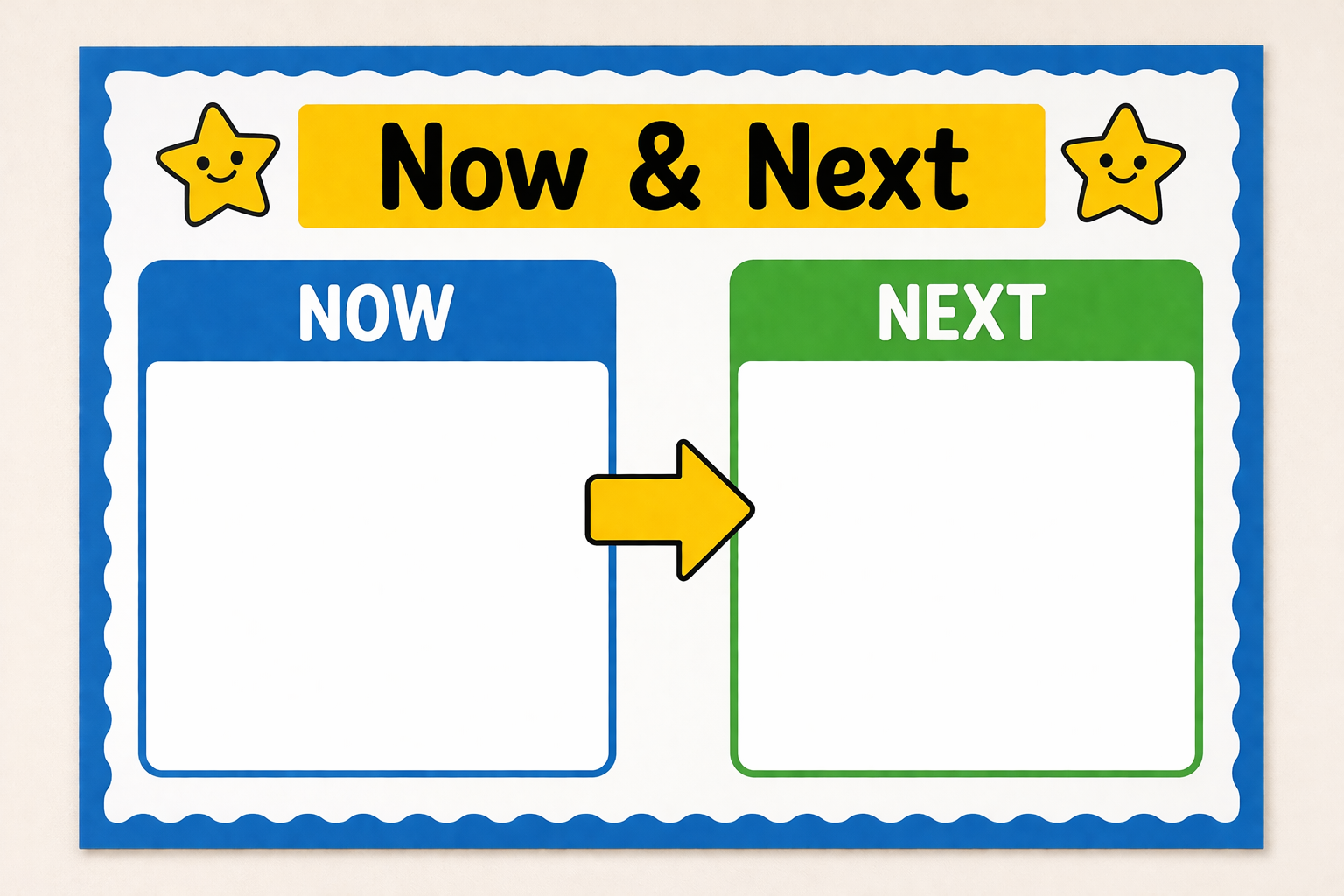
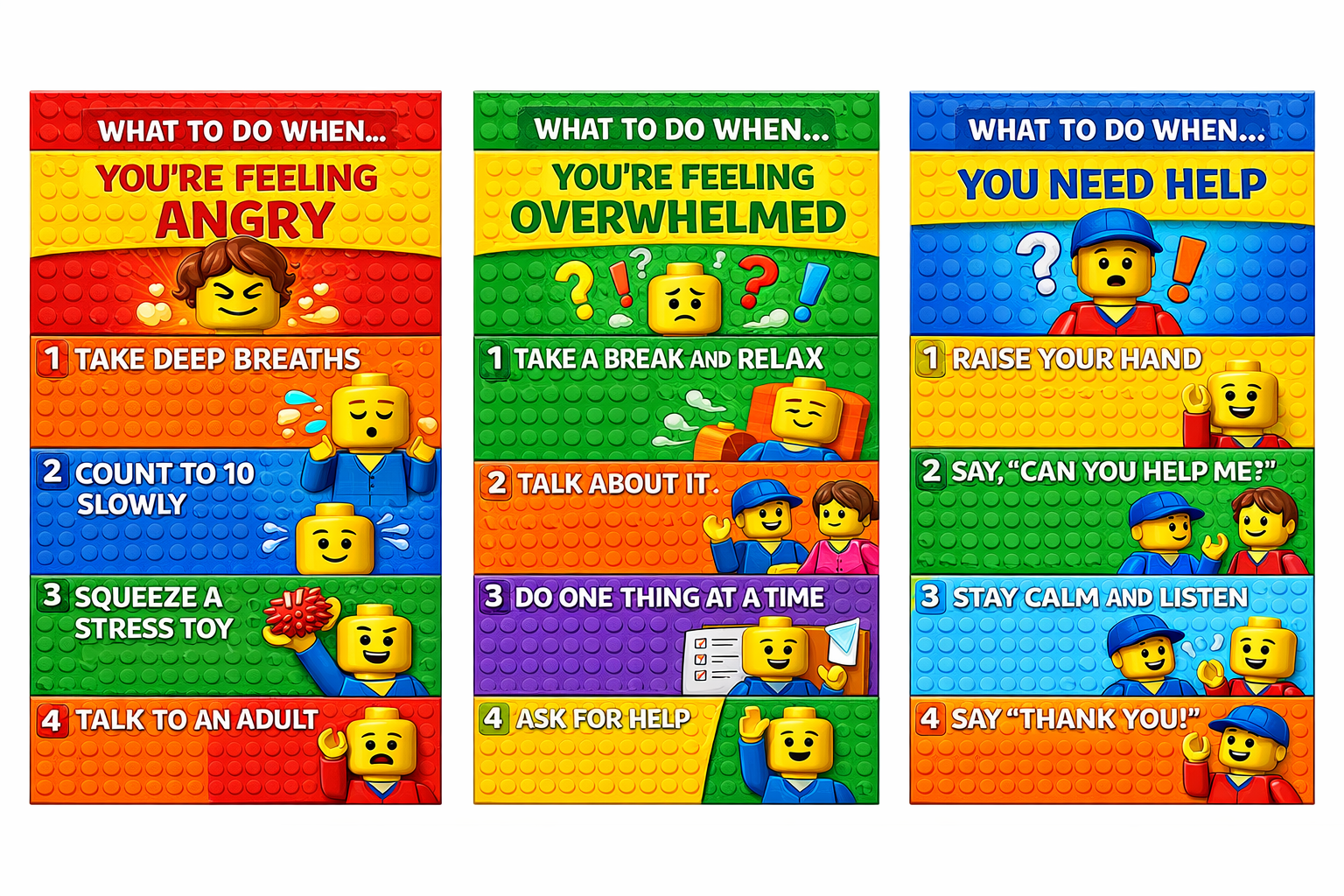
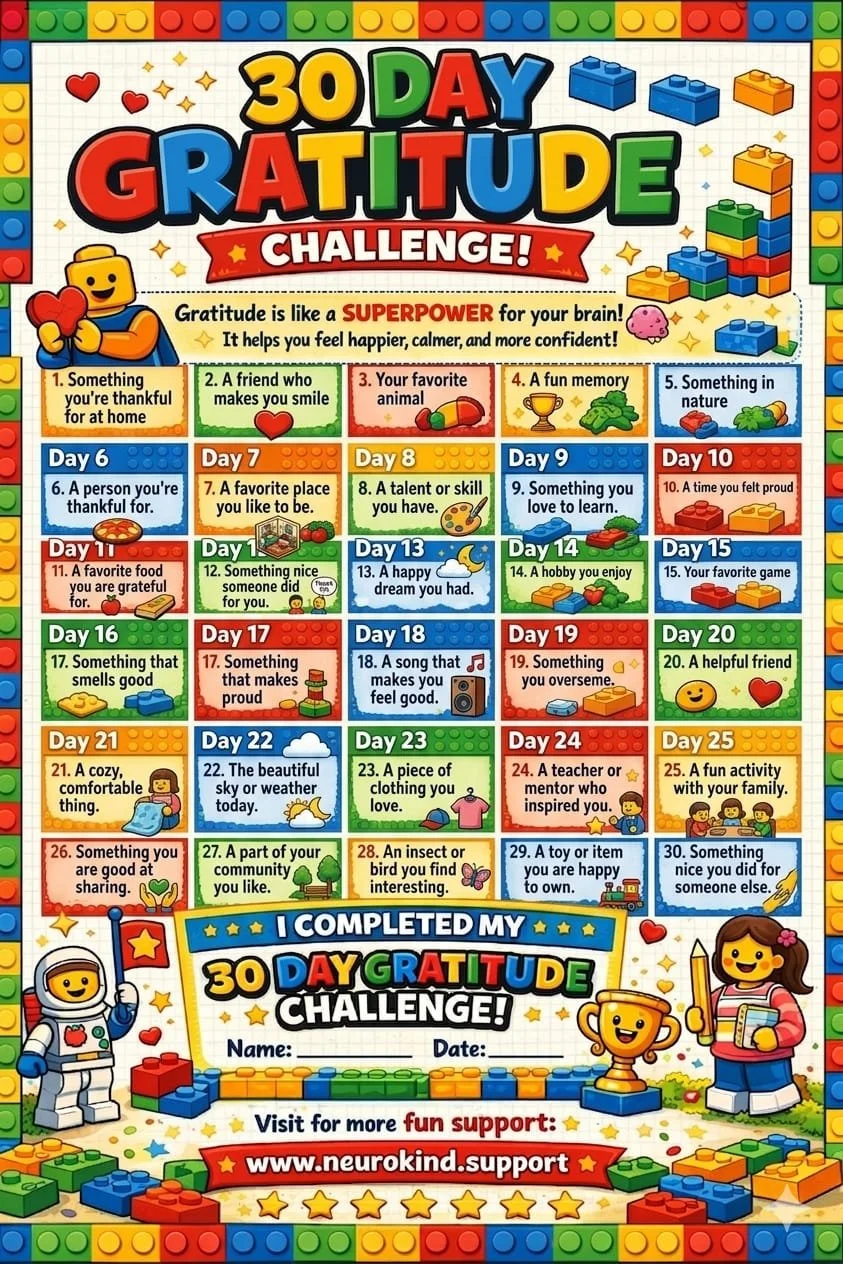
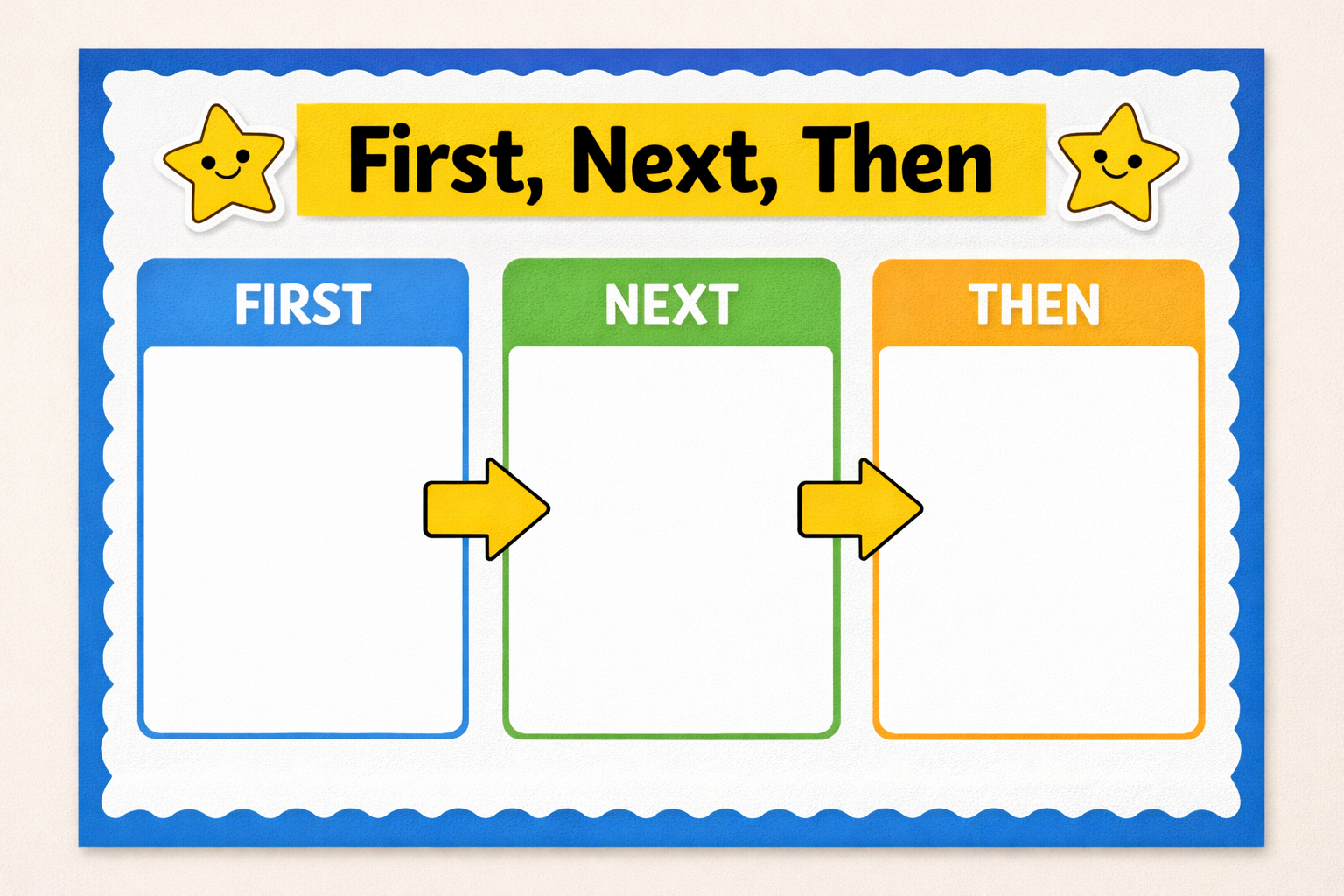
Visual Supports That Reduce Anxiety & Build Independence
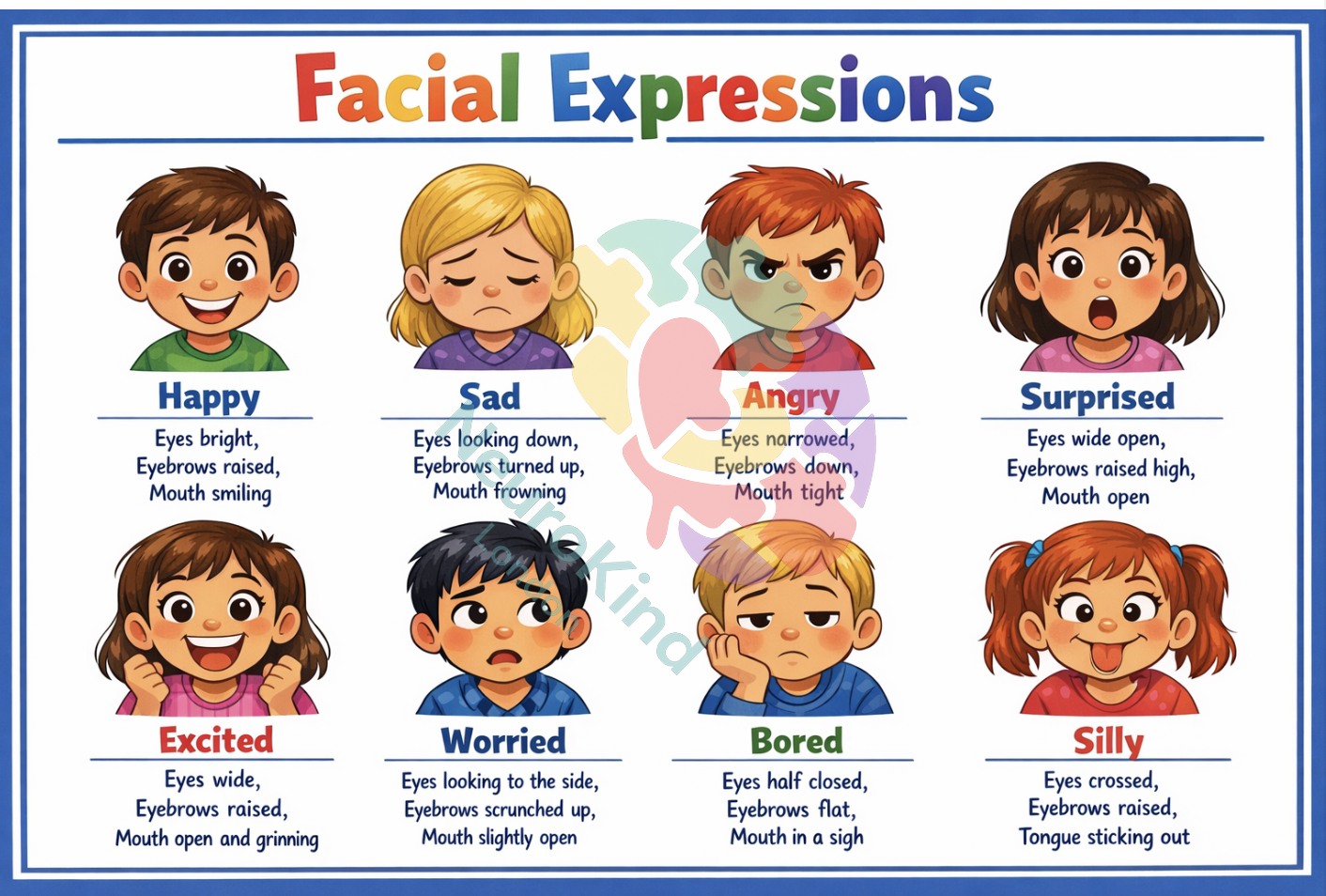
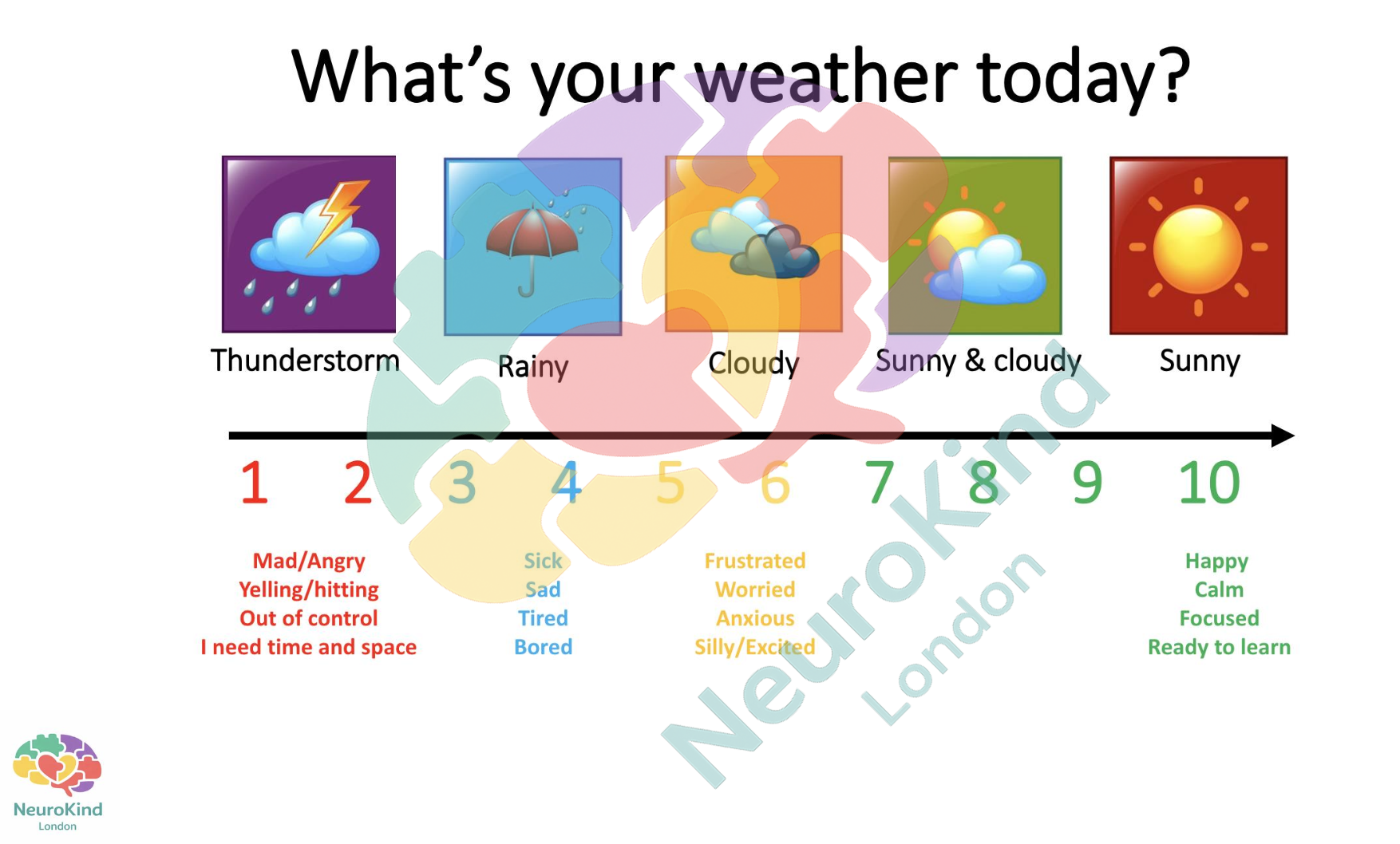
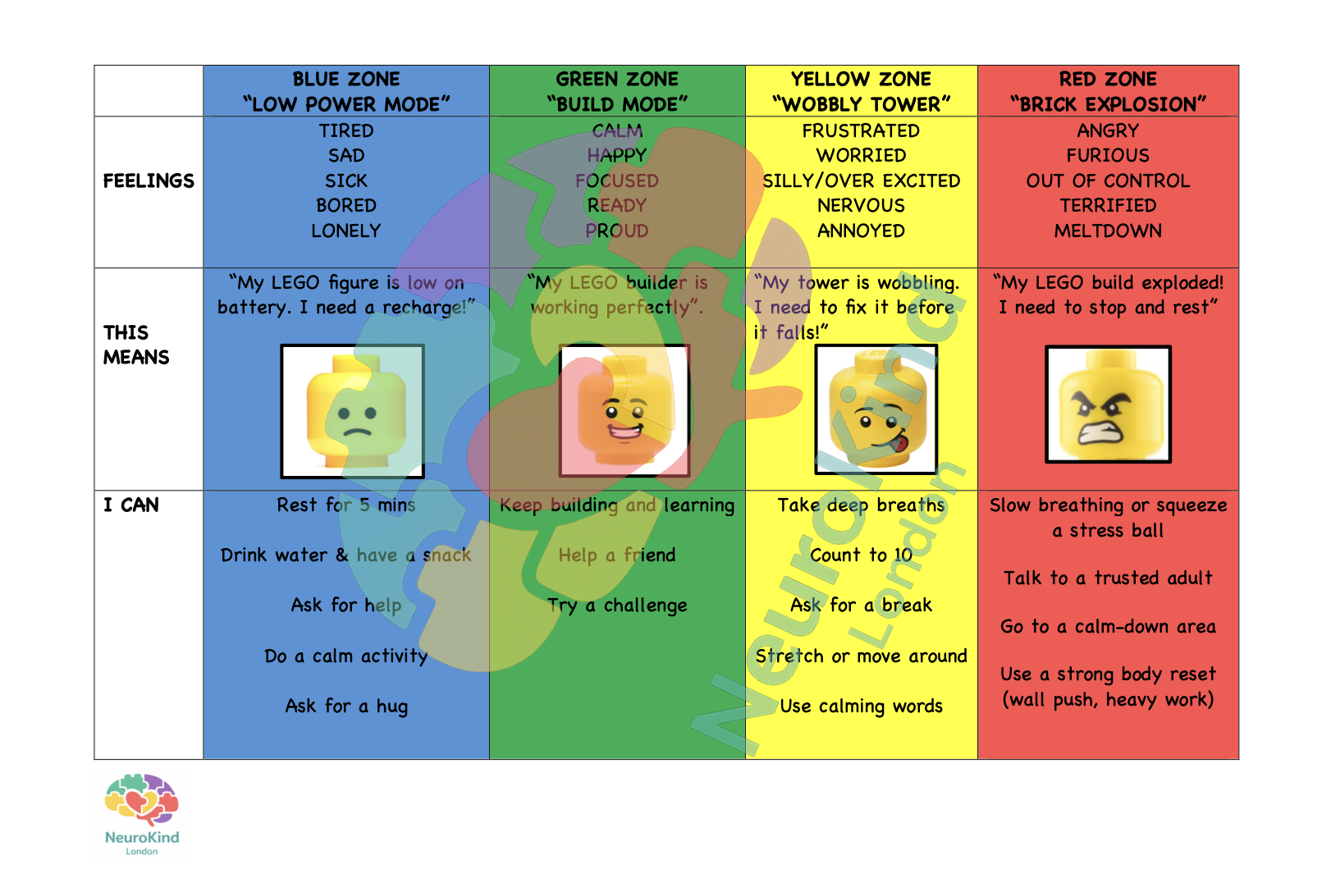
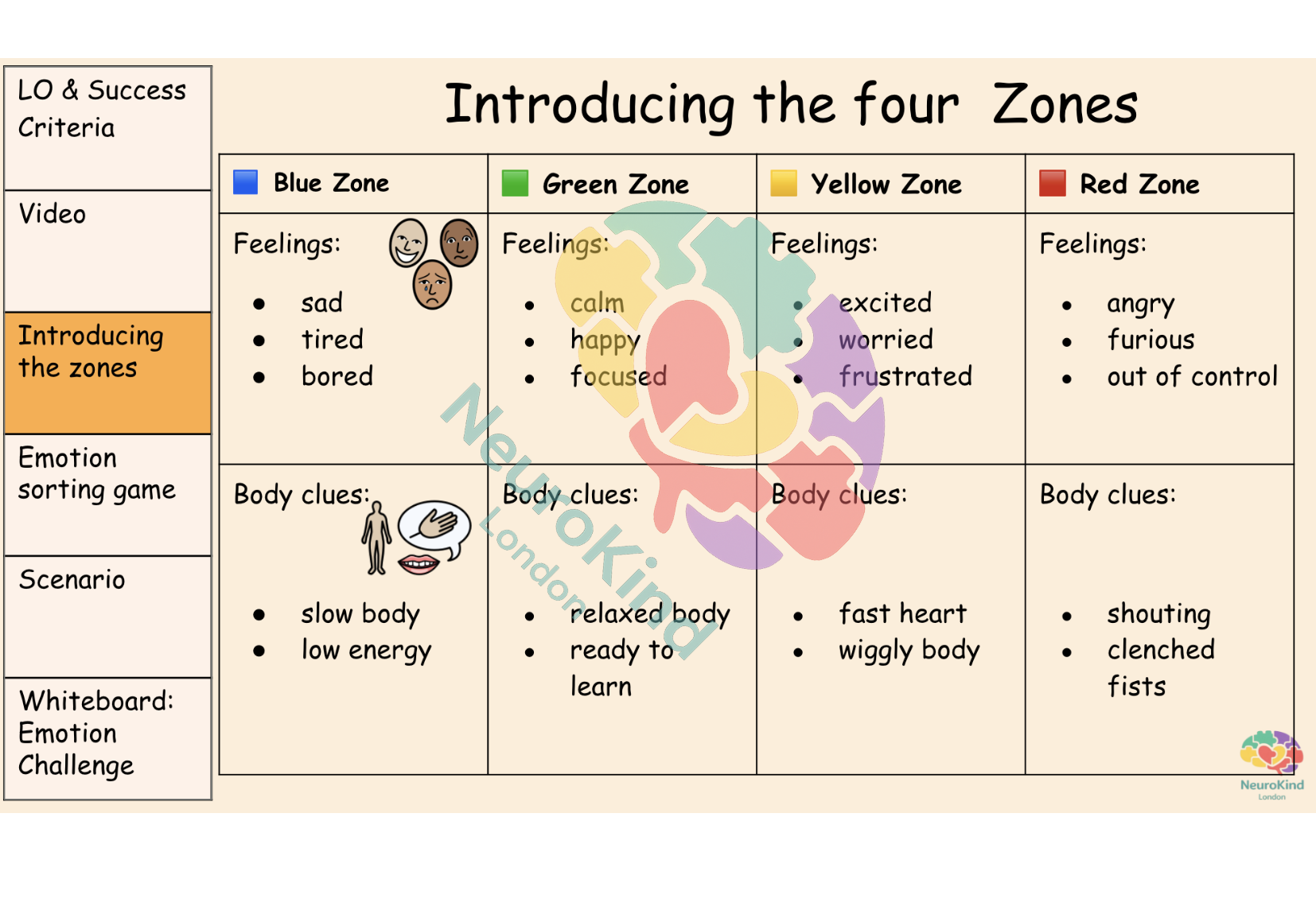
Step 1: Book a Discovery Call
We'll start with a friendly, no-obligation conversation to learn about your child, their strengths, the challenges they're facing, and the support you're looking for.
Step 2: Understanding Your Child's Needs
Together, we'll explore your child's communication style, routines, sensory needs, emotional regulation, and any areas where visual support could make a positive difference at home or school.
Step 3: Receive Your Personalised Resources
Based on your child's individual needs, you'll receive tailored visuals, practical strategies, and easy-to-use resources designed to support communication, independence, emotional wellbeing, and daily routines.
Step 4: Implement, Review & Refine
As your child grows and their needs change, we'll review how the strategies are working and make any adjustments needed to ensure they continue to feel understood, supported, and successful.
How It Works
How NeuroKind Visuals Help
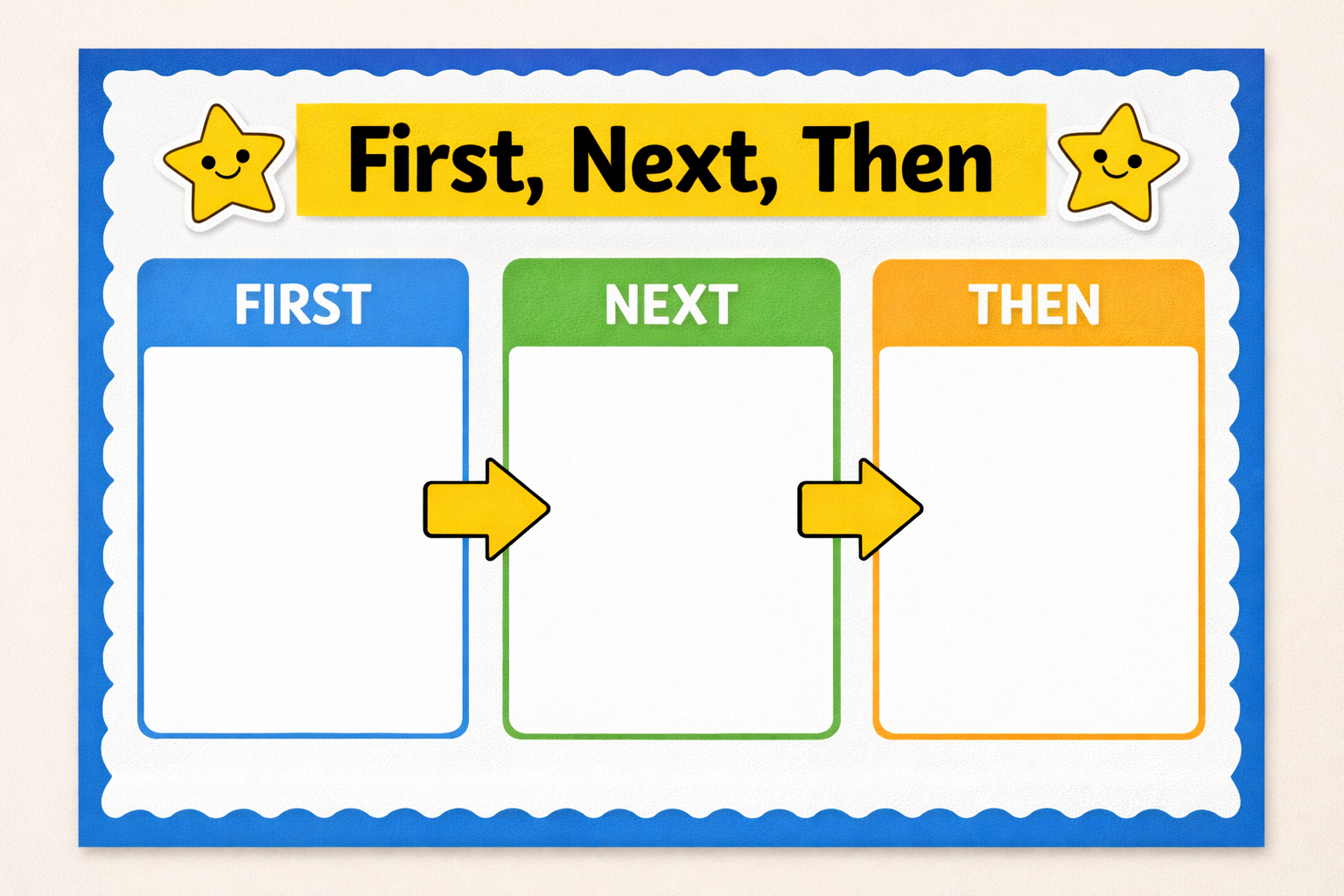
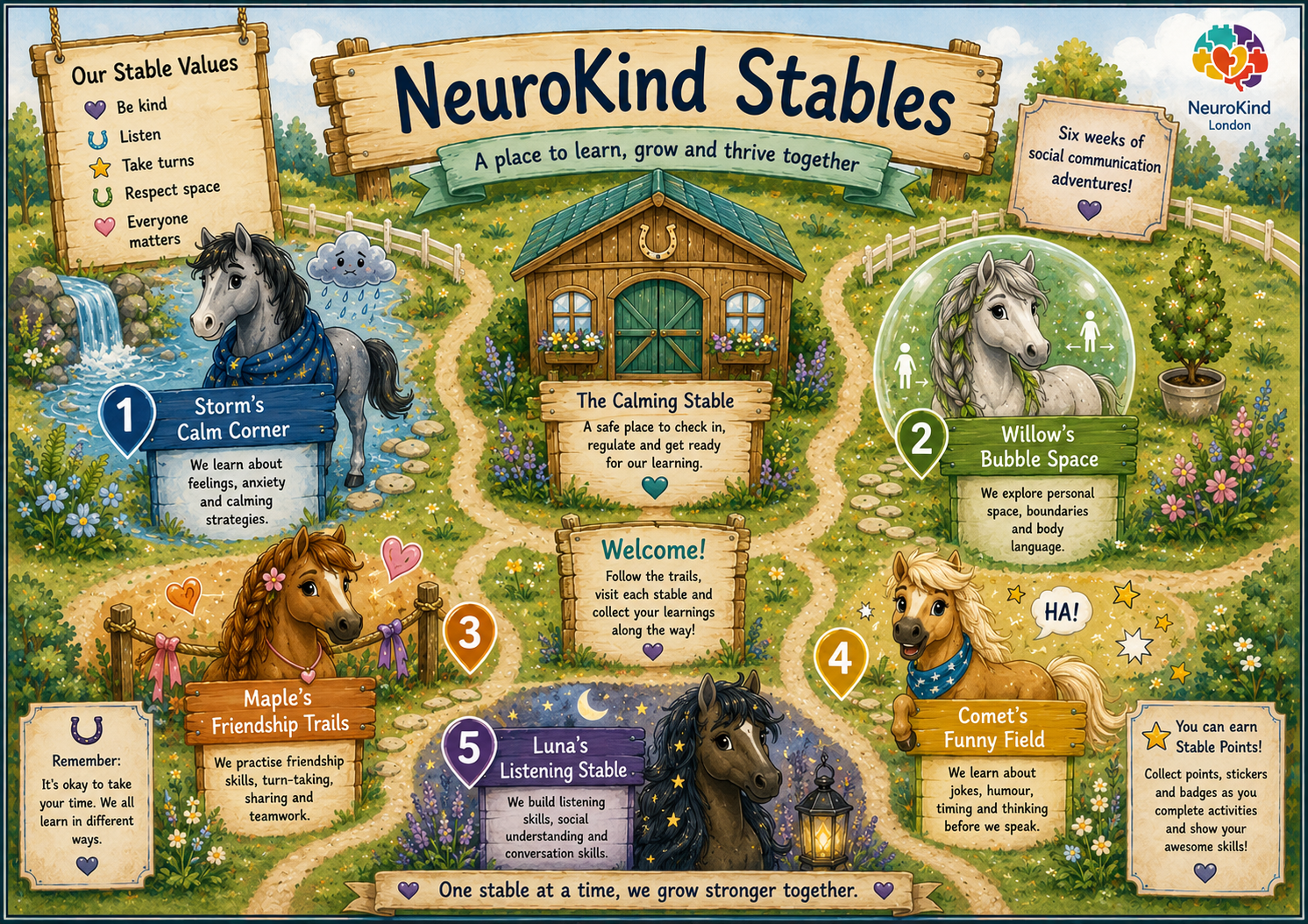
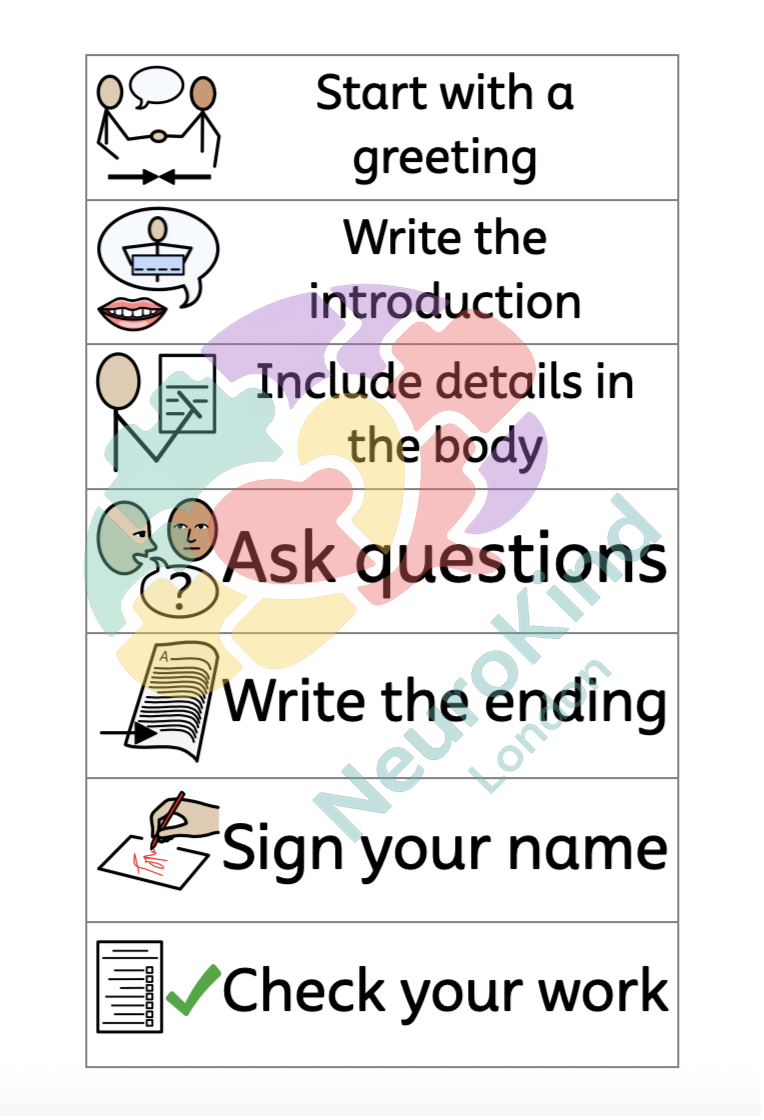
Our personalised visual supports are designed to:
✔ Reduce meltdowns and power struggles
✔ Increase independence in daily routines
✔ Improve communication
✔ Support emotional regulation
✔ Make home and school life smoother
These aren’t generic printouts — they’re tailored to your child’s needs, environment, and strengths.
Who can benefit from SEN visual supports?
Visual supports can be helpful for children who:
Struggle with transitions or changes
Experience anxiety around routines
Find verbal instructions difficult to process
Benefit from visual learning
Are neurodivergent or have additional needs
They can be used at home, in school, or across different environments to create consistency and confidence.